Skip to content




By strengthening apprenticeship pathways, developing educational partnerships, and growing our own specialist capabilities, we are taking deliberate steps to protect the precision, compliance, and technical excellence that pharmaceutical environments demand.
What’s happening?
Skilled trades personnel – from the common everyday domestic work to the most specialised industrial engineering – the numbers are in rapid decline. This shortage, especially in the pharmaceutical field where precision, compliance, and technical know-how are non-negotiable, is worrying.
Our customers regularly require upgrades and modifications to process systems, skids, pipework, tanks, and vessels; these projects require detailed planning, high levels of specialist expertise, and rigorous quality conformance.
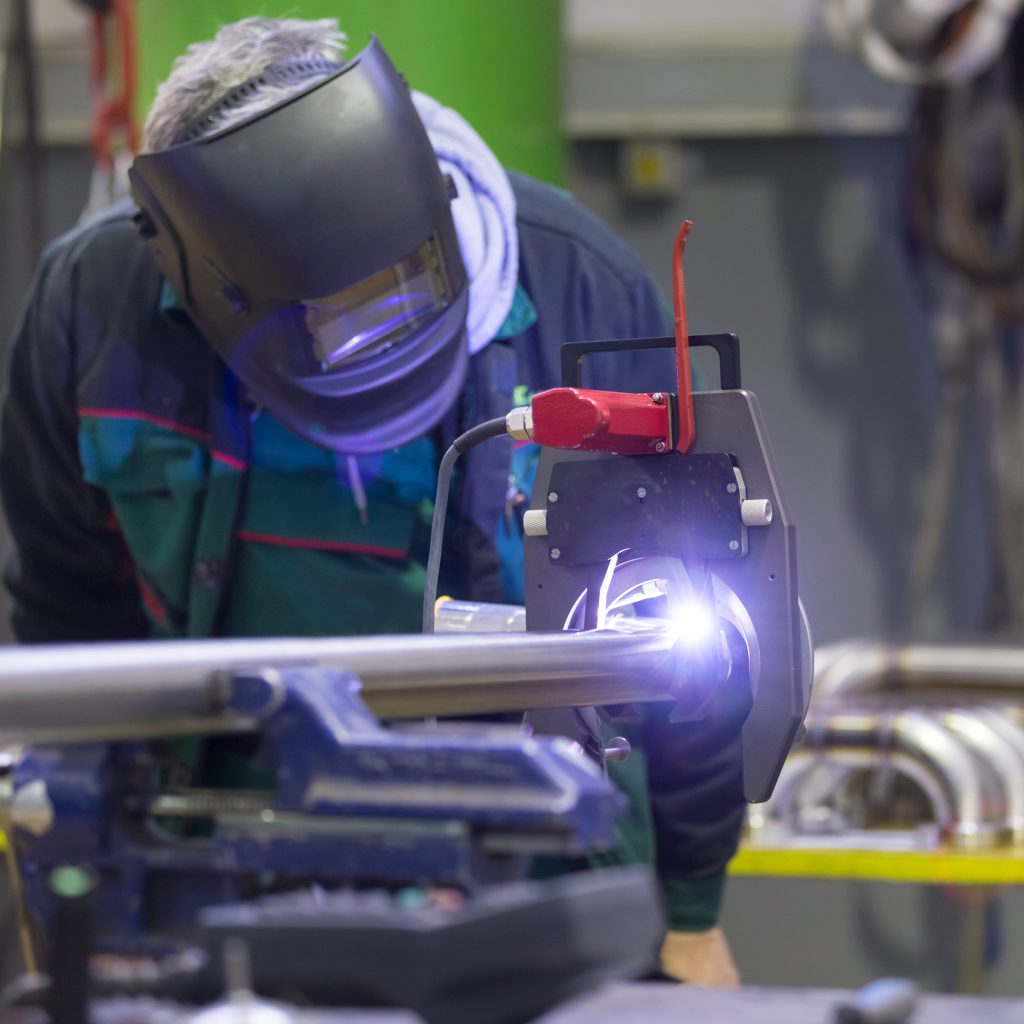
This is often very demanding, high-pressure highly skilled work, which is usually crucial for the operation, but the specialists who deliver this work – experienced welders and pipe fitters especially – are becoming harder to find.
Industry impact
These shortages are already showing up in real ways:
- Projects take more time and costs grow.
- Skilled engineers command higher salaries and rates.
- Skilled labour is becoming isolated, no longer is it available in every town and city. There are now isolated areas of the UK where the skilled people must travel extensively to get to where the work is. These hours travelling increase the cost of the project, toll on the individuals and increase our carbon footprints.
- Lead times for stainless steel fabrication are getting longer.
- This sometimes leads to end users considering options that could compromise standards.
For regulated pharmaceutical settings, these are not long-term solutions that work. We know this is a challenge that has been coming for some time and finding experienced, qualified personnel, whether on-site or in our fabrication facility, is getting increasingly difficult.
Investment in the next generation
While we have apprenticeship successes, the low numbers and tally of incomplete apprenticeships across the industry remains worrying.
Apprenticeships demand time, patience, and commitment from both employer and learner – these are skills that don’t develop overnight.
Typically, 4 years to get to a required base level.
Communication needs to be clear from the outset and employers will have to work closely with colleges and the students themselves to establish expectations, provide support, and outline a long-term path of development.
At Puretech, we’ve deepened our ties with a local Crawley College to take an even more active role in growing future engineers. We show up at open days, host student visits to our facility, and stay visible so that students understand the opportunities in pharmaceutical engineering.
This proactive stance allows us to plug into a healthy local pool of apprentices across several disciplines, including:
- Tig Welding
- Mechanical Engineering
- Software engineering
- Process Engineering
- AutoCAD Design
Through the college network that Crawley College belong to, that includes Brighton MET, Brinsbury, Chichester, and Northbrook campuses, we have access to high-quality apprenticeship programs that align with our business needs.
A success story
Bobby Nye, who’s has been with us for over 4 years, started as an apprentice. He showed promise from day 1, however it’s not been an overnight success story, and it rarely is. Over the past 6-12 months, he has stepped up significantly and is becoming a key part of our future engineering capability.
His progression is exactly why long-term investment in apprenticeships matters.
Looking Ahead
The engineering skills shortage needs a sustained commitment from businesses across the sector.
For Puretech, that means we will continue to:
- Invest in apprenticeships
- Strengthen college partnerships
- Provide clear development pathways
- Maintain the high standards our pharmaceutical clients expect
We can all play our part in safeguarding the specialist expertise our industry depends on for the future, by taking responsibility now. However, it must be a collaborative approach, with as many companies as possible picking up the responsibility. We must pass on the skills, knowledge and expertise to our young people, ideally backed by government and training bodies.